A skilled UI/UX developer plays a pivotal role in shaping digital experiences that seamlessly blend aesthetic appeal with user-centric functionality. This multifaceted professional possesses a deep understanding of user behaviors, employing strategic design principles to create interfaces that are not only visually engaging but also intuitive and accessible.
Top 10 Keys to Mastering UI/UX Developer:
- User-Centric Approach:
- Responsive Design:
- Intuitive Navigation:
- Consistent Design Language:
- Visual Hierarchy:
- Usability Testing:
- Performance Optimization:
- Accessibility:
- Stay Updated with Design Trends:
- Collaboration and Communication:
1. User-Centric Approach:
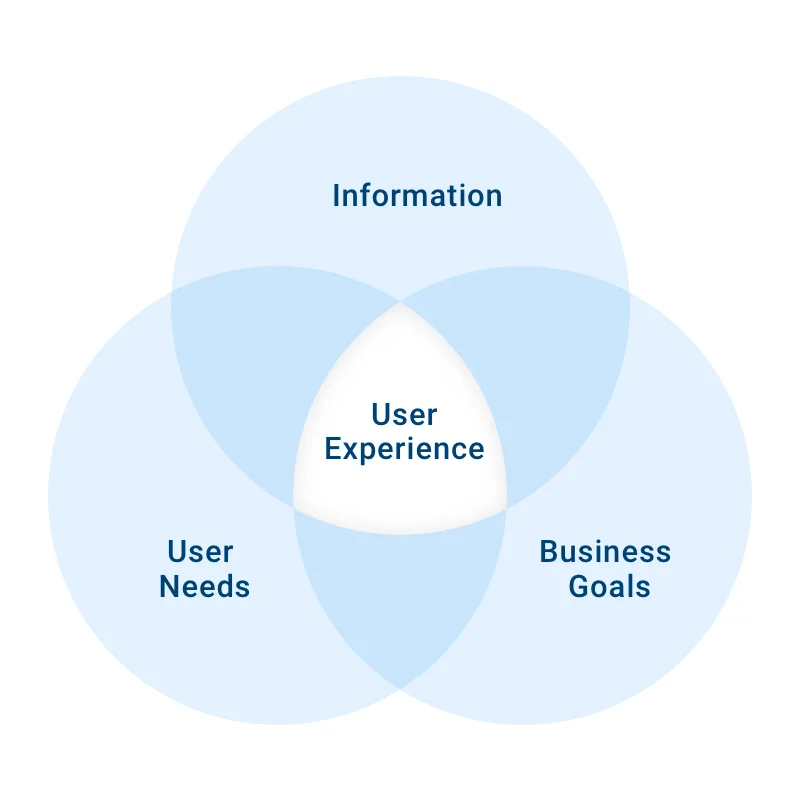
A user-centric approach in UI/UX development places the needs and preferences of end-users at the forefront of the design process. This methodology involves conducting thorough research to comprehend the characteristics of the target audience, including their behaviors and expectations. By creating user personas and engaging in usability studies, UI/UX developers gain valuable insights that inform their design decisions.
This approach extends beyond aesthetics, emphasizing the creation of interfaces that not only exhibit visual appeal but also provide a seamless and intuitive user experience. Adopting a user-centric mindset encourages iterative design, wherein feedback from actual users is actively incorporated to refine and enhance the product continuously.
In essence, a user-centric approach ensures that digital experiences are not only visually pleasing but are also closely aligned with the real-world needs and preferences of the individuals interacting with them .
2. Responsive Design:
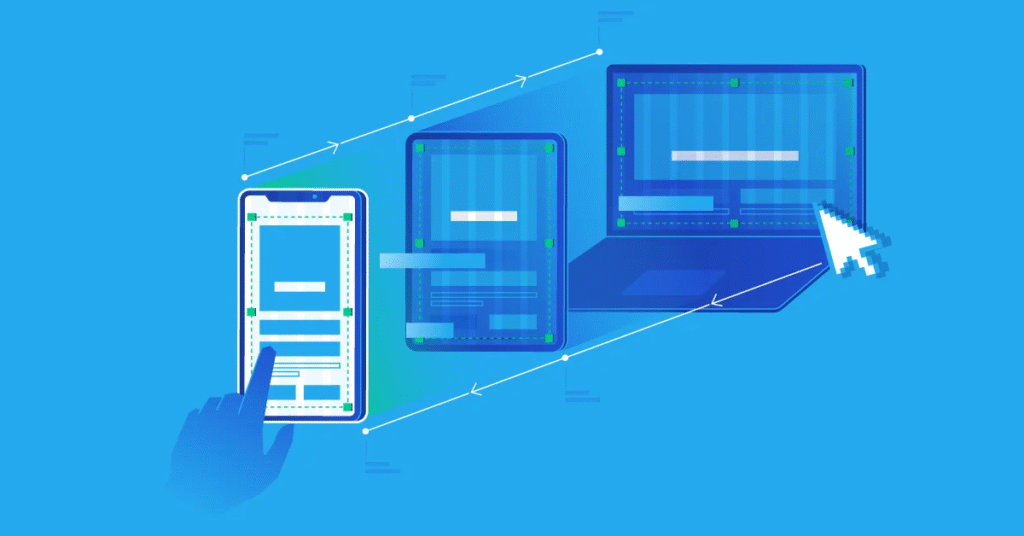
Responsive design is a fundamental principle in UI/UX development that ensures digital interfaces adapt seamlessly to various devices and screen sizes. The core objective is to provide an optimal user experience, irrespective of whether users are accessing the application on a desktop, tablet, or smartphone. This approach typically involves a mobile-first strategy, prioritizing the design and functionality for smaller screens and progressively enhancing the layout for larger displays.
By employing flexible grids, fluid layouts, and media queries, UI/UX developers aim to create a consistent and visually compelling experience, optimizing content presentation and interaction across diverse platforms.
The emphasis on responsive design reflects the contemporary reality of users accessing digital content on a multitude of devices, reinforcing the importance of delivering a cohesive and accessible experience across the entire spectrum of devices.
3. Intuitive Navigation:
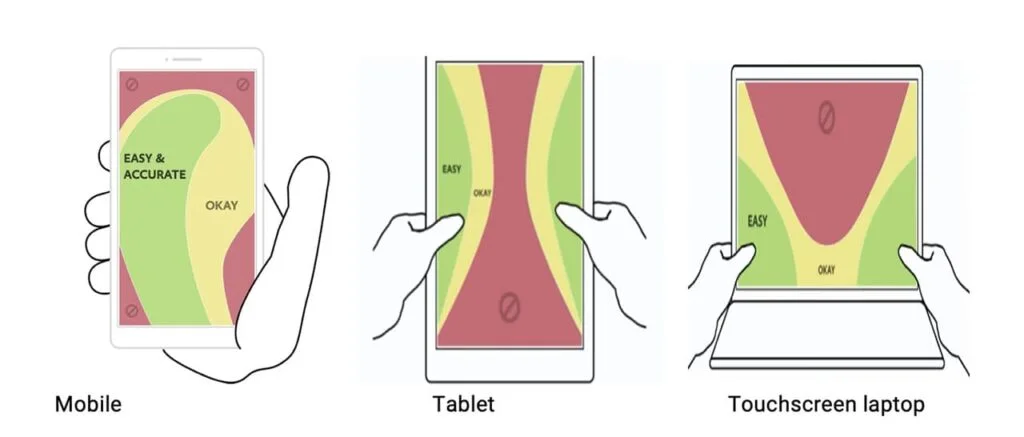
Intuitive navigation stands as a crucial element in UI/UX development, focusing on the creation of clear and user-friendly pathways within digital interfaces. The primary objective is to establish an experience where users can effortlessly explore and engage with the application without encountering confusion or frustration.
Successful implementation involves strategically organizing menus, buttons, and links in a way that aligns with user expectations, incorporating recognizable patterns and logical structures. UI/UX developers aim to enhance user engagement and satisfaction by crafting interfaces that feel natural and responsive.
Moreover, the integration of user-friendly gestures and interactions contributes to an overall design that empowers users to navigate through the digital landscape with ease, fostering a positive and efficient user experience.
4. Consistent Design Language:
Ensuring a consistent design language is a foundational principle in UI/UX development, highlighting the importance of establishing and adhering to a cohesive visual and functional style across digital products.
This entails carefully defining and implementing design elements such as colors, fonts, and UI components to create a unified and harmonious user experience. Utilizing a design system, UI/UX developers construct a centralized repository of design patterns and standards, streamlining the development process and maintaining uniformity throughout different sections of the interface.
The ultimate goal is to present users with a seamless and recognizable visual journey, reducing cognitive load and improving overall usability. Beyond reinforcing brand identity, a consistent design language contributes to intuitive user interactions, promoting accessibility and user engagement.
5. Visual Hierarchy:
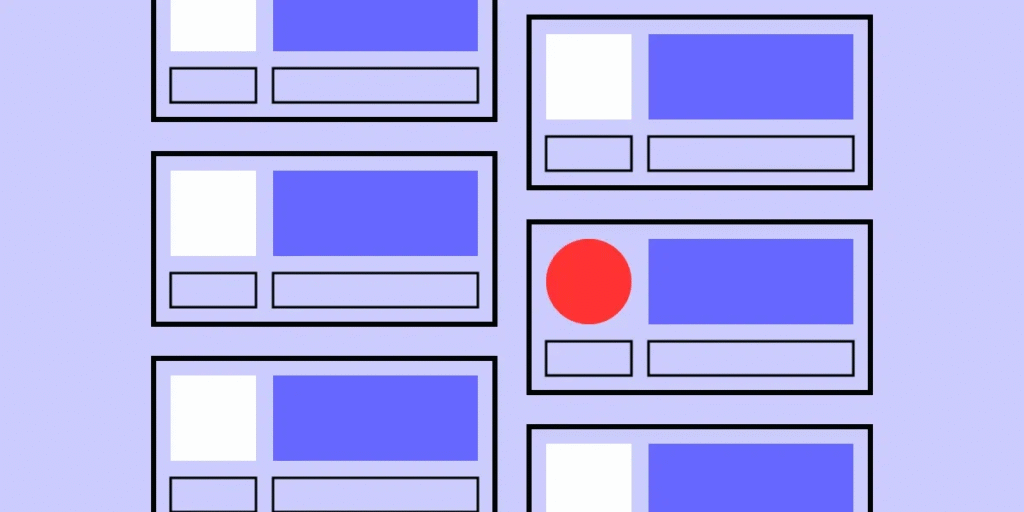
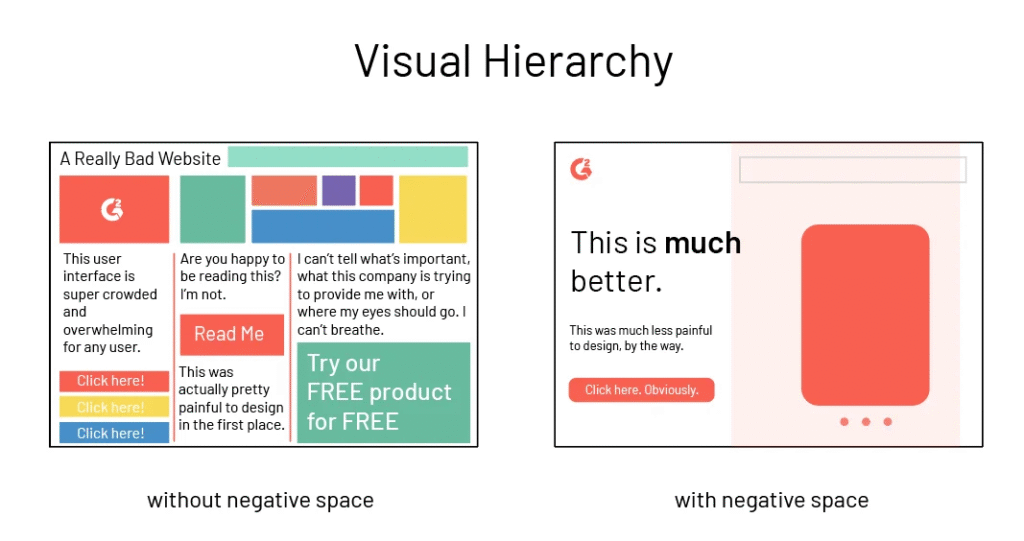
Visual hierarchy is a foundational concept in UI/UX development, focused on structuring design elements to effectively guide users through digital content. This principle revolves around organizing information based on its significance, enabling users to quickly discern the importance of various elements within the interface.
Through thoughtful use of size, color, spacing, and contrast, a clear visual hierarchy is established to prioritize information.
UI/UX developers strategically emphasize specific elements to enhance user comprehension and engagement.
The implementation of a well-defined visual hierarchy contributes to a more intuitive user experience, reducing cognitive load and facilitating smoother navigation within interfaces.
6. Usability Testing:
Usability testing constitutes a crucial phase within the UI/UX development process, encompassing the assessment of a digital product’s effectiveness, efficiency, and overall user satisfaction. This methodology involves the active participation of real users who interact with the interface, providing invaluable insights into its usability, functionality, and areas that may require enhancement.
Through the execution of tasks, scenarios, and meticulous observation, usability testing unveils user pain points, identifies navigation issues, and gauges the overall user experience.
UI/UX developers leverage this constructive feedback to iteratively refine and optimize the design, ensuring that the final product aligns seamlessly with user expectations and objectives. As a dynamic tool for continuous improvement, usability testing underscores the significance of incorporating real-world user insights, facilitating the creation of interfaces that are not only intuitive and user-friendly but also tailored to the specific needs of the target audience.

7. Performance Optimization:
Performance optimization stands as a crucial element in UI/UX development, concentrating on improving the speed, responsiveness, and overall efficiency of digital products. This vital process aims to reduce load times, enhance interaction fluidity, and ensure a seamless user experience.
UI/UX developers implement diverse strategies, including code optimization, media file compression, and the utilization of caching mechanisms, to streamline application performance.
Prioritizing performance contributes significantly to user satisfaction and engagement, as quicker load times and smoother interactions profoundly influence the perceived quality of the product.
In the dynamic digital landscape, performance optimization remains essential for crafting interfaces that not only meet but surpass user expectations, fostering positive interactions, and cultivating sustained user loyalty.

8. Accessibility:
Accessibility is a fundamental principle within UI/UX development, emphasizing the imperative of creating digital interfaces that are inclusive and accommodating to individuals with diverse abilities. The objective is to design and develop products in a manner that ensures effective perception, understanding, navigation, and interaction for people with disabilities, encompassing visual, auditory, motor, or cognitive impairments.
Achieving accessibility involves adhering to established standards, implementing features like alternative text for images, maintaining appropriate contrast ratios, and providing keyboard navigation options. Through a commitment to accessibility, UI/UX developers contribute to a more inclusive digital landscape, allowing a wider audience to engage with and benefit from digital products.
This commitment not only aligns with ethical considerations but also ensures compliance with accessibility regulations and standards, underscoring a user-centric approach that values and addresses the diverse needs of all users.

9. Stay Updated with Design Trends:
Remaining abreast of design trends stands as a crucial element in UI/UX development, underscoring a dedication to innovation and relevance within the dynamic digital sphere.
UI/UX professionals must stay attuned to emerging design aesthetics, evolving interaction patterns, and advancements in technology. By maintaining awareness of industry trends, developers can infuse their designs with fresh ideas, ensuring that user interfaces retain visual appeal, contemporaneity, and alignment with ever-changing user expectations.
However, it is imperative to strike a balance between incorporating trendy elements and adhering to timeless design principles, cultivating a seamless integration of innovation and enduring usability.
Actively participating in design communities, attending conferences, and exploring new tools and techniques are integral practices for staying ahead in the dynamic field of UI/UX development.
10. Collaboration and Communication:
Collaboration and communication are fundamental principles in UI/UX development, highlighting the significance of effective teamwork and transparent information exchange throughout the design process. UI/UX professionals actively engage with developers, product managers, and various stakeholders, integrating diverse perspectives for a comprehensive approach to product design.
Clear and concise communication of design decisions and rationale is pivotal in establishing a shared understanding among team members. Consistent collaboration not only expedites the design iteration process but also contributes to a more unified and harmonized final product.
In the dynamic and iterative realm of UI/UX development, maintaining open communication channels and fostering collaborative efforts enhances the team’s ability to address challenges, incorporate valuable feedback, and ultimately craft digital experiences that resonate both within the team and with end-users.