Introduction for Flutter Tips:
“Discover a wealth of Flutter tips in this comprehensive guide designed to elevate your development journey. Whether you’re a beginner or a seasoned coder, these essential Flutter tips provide valuable insights and proven strategies to enhance your skills, improve efficiency, and ensure success in app-building endeavors. Let’s dive into the world of Flutter development and unlock new possibilities together.”
- Unleash the Potential of Hot Reload:
- Optimize Project Structure:
- Proficiency in Responsive Design:
- Strategic State Management:
- Craft Modular Widgets:
- Enhance App Performance:
- Strategic Package Integration:
- Mastery of Widget Lifecycles:
- In-Depth Testing Strategies:
- Stay Informed and Participate in the Flutter Community:
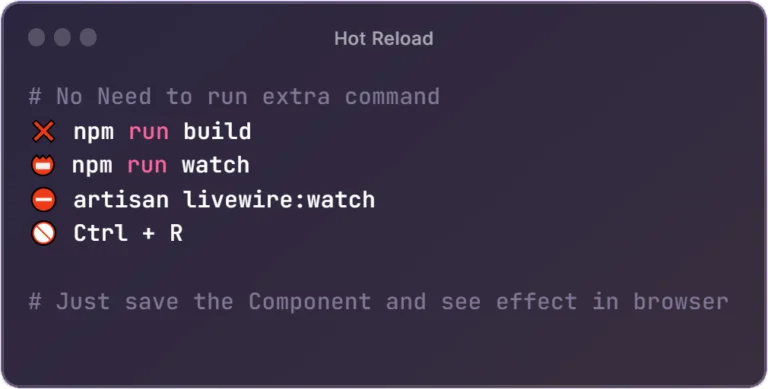
1. Unleash the Potential of Hot Reload:
Maximize the efficiency of your development workflow by tapping into the capabilities of Flutter’s Hot Reload feature. This tool allows you to witness immediate changes without the need to restart the entire application, providing a rapid and dynamic development experience. Seamlessly iterate through your codebase with a simple click, accelerating your development cycle and enabling swift adjustments for optimal results.
2. Optimize Project Structure:
Elevate your development prowess by refining the architecture of your Flutter project. Organize your codebase meticulously to boost clarity and scalability. A well-optimized project structure not only fosters collaboration but also simplifies ongoing maintenance. Dive into an architecture aligned with your project’s goals, establishing a robust foundation for efficient development and future scalability.
3. Proficiency in Responsive Design:
Attain mastery in creating responsive designs for your Flutter applications. Customize your user interfaces to seamlessly adjust to different screen sizes and orientations. By skillfully implementing Flutter’s responsive design tools, ensure a refined and user-friendly experience that transcends device boundaries. The art of mastering responsive design goes beyond visual appeal, showcasing your dedication to providing a versatile and accessible app experience across various platforms.

4. Strategic State Management:
Steer through the intricacies of Flutter development with a deliberate strategy in state management. Select and implement state management techniques that seamlessly align with your project’s unique requirements. Proficient handling and organization of state not only elevate the scalability of your application but also contribute to a more maintainable and responsive user interface. By strategically managing the state, you guarantee that your Flutter app operates with efficiency and agility, catering to the dynamic demands of a superior user experience.

5. Craft Modular Widgets:
Enhance your Flutter development skills by embracing the strategy of crafting modular widgets. Cultivate an approach that emphasizes creating widgets as standalone, reusable modules. This not only improves the organization of your code but also enables seamless updates and maintenance. Proficiency in modular widget design empowers you to construct flexible and scalable user interfaces, fostering an efficient and dynamic development process.

6. Enhance App Performance:
Propel your Flutter application to new heights by prioritizing the optimization of performance. Scrutinize and refine your codebase using Flutter DevTools to pinpoint and eliminate performance bottlenecks. This commitment to optimization guarantees a seamless and responsive user experience, aligning your app with top-tier standards. Delve into the nuances of performance tuning, elevating the overall efficiency and fluidity of your Flutter masterpiece.

7. Strategic Package Integration:
Enhance your Flutter development strategy by incorporating packages with precision. Navigate the extensive pub. dev repository judiciously, selecting packages that seamlessly align with your project’s requirements. Verify compatibility and adhere to best practices for a smooth integration process. This strategic approach to package management ensures your app leverages third-party functionality while upholding stability and scalability.
8. Mastery of Widget Lifecycles:
Immerse yourself in the depths of Flutter development by acquiring expertise in the lifecycle of your widgets. Comprehend the nuanced stages of stateful widgets, refining your skill in managing the state effectively. Proficiency in widget lifecycle management is essential for orchestrating smooth transitions and executing pivotal actions at each phase of your app’s dynamic user interface. Gain mastery over widget lifecycles to ensure your Flutter application operates with finesse and responsiveness.
9. In-Depth Testing Strategies:
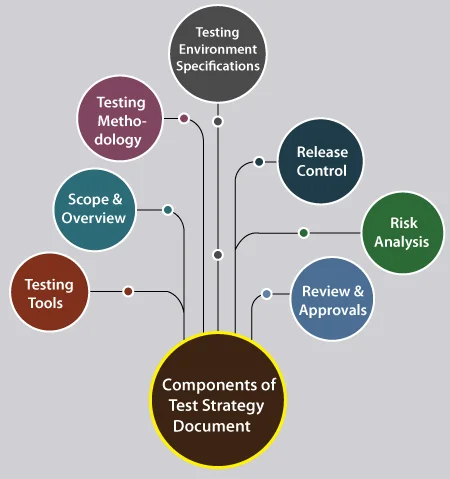
Enhance your Flutter development journey by adopting in-depth testing practices. Implement rigorous unit tests and widget tests to ensure the stability and accuracy of your application. The utilization of Flutter’s ‘test’ package becomes your key resource for crafting a resilient and error-free user experience. Through a comprehensive testing approach, you fortify your app against potential challenges, instilling confidence in its reliability.
10. Stay Informed and Participate in the Flutter Community:
Keep abreast of the latest in Flutter development by staying informed and actively engaging with the dynamic Flutter community. Regularly update your knowledge on releases, best practices, and insights. Actively participating in discussions, sharing experiences, and seeking solutions within the community not only enriches your understanding but also fosters valuable connections with fellow developers. Embrace the collaborative spirit of the Flutter community to enhance your skills and contribute to the collective growth of this dynamic ecosystem.