9 Unique Graphic Design: “Dive into the dynamic world of Graphics Design at ITScholars, where creativity knows no bounds. Explore the intricacies of 9 distinct design types that promise to elevate your visual storytelling. From captivating logos to dynamic web designs, join us in unraveling the artistry and innovation that define each unique Graphics Design type, providing insights and inspiration for your creative endeavors.”
- Visual Identity Design:
- Publication Design:
- Packaging Design:
- Web Design:
- Motion Graphics:
- User Interface (UI) Design:
- Illustration and Infographics:
- Environmental Graphic Design:
- Typography Design:
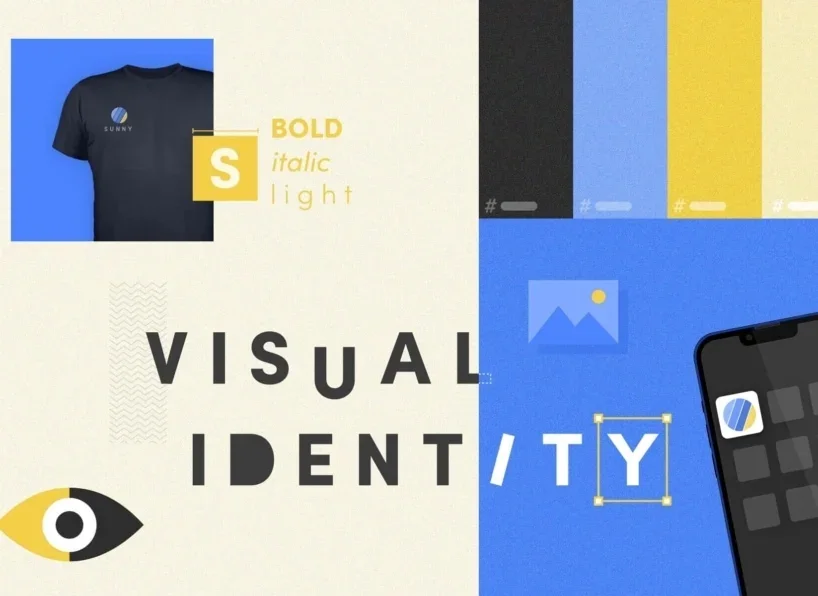
1. Visual Identity Design:
Visual Identity Design is a specialized branch of graphic design focused on crafting a consistent and distinctive visual representation for a brand. It involves the strategic use of elements like logos, colors, typography, and imagery to convey the brand’s essence, fostering recognition and loyalty. This process goes beyond individual graphics, creating a unified visual language that tells a compelling brand story, setting it apart from competitors. By carefully considering aesthetics and messaging, Visual Identity Design plays a vital role in shaping consumer perception and brand identity.
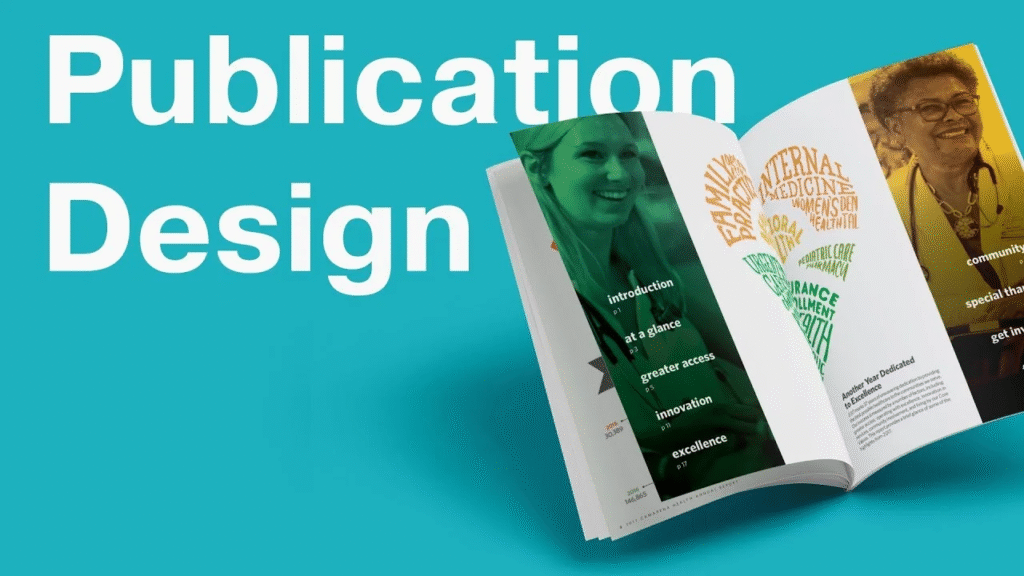
2. Publication Design:
Publication Design is a specialized field in graphic design focused on visually arranging and presenting content in printed or digital publications. It involves thoughtful use of elements like typography and imagery to enhance readability and aesthetic appeal. The aim is to create a cohesive and engaging reading experience while reinforcing the publication’s identity and message.
3. Packaging Design:
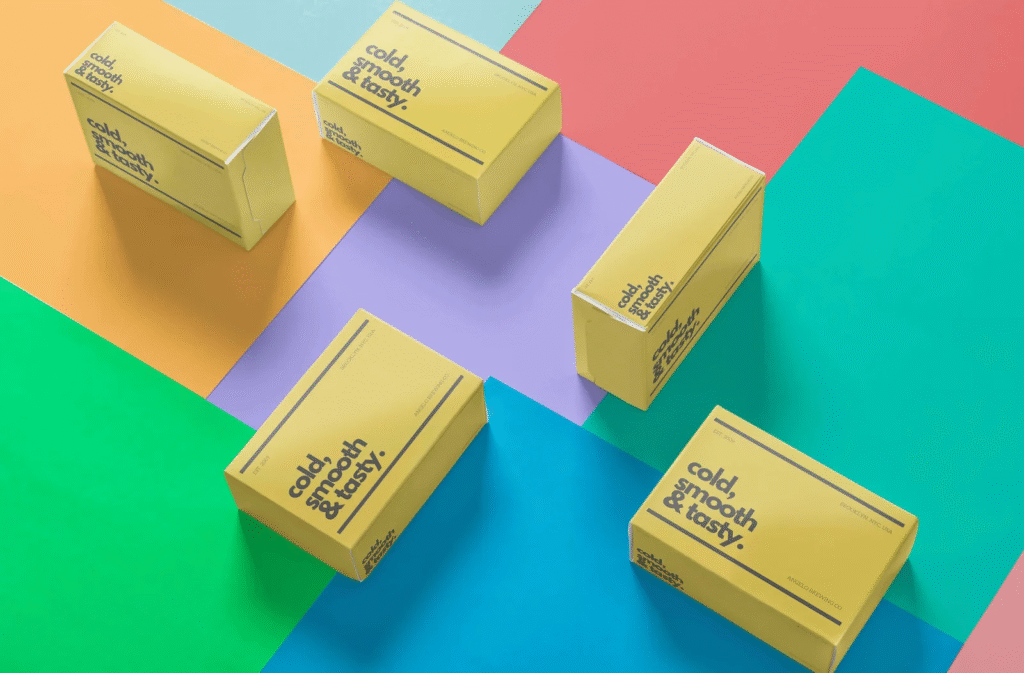
Packaging Design is a specialized area of graphic design that focuses on creating visually appealing and functional packaging for products. It involves the strategic use of graphics, typography, and imagery to communicate brand identity and product information effectively. Packaging designers aim to capture consumer attention, convey the product’s value, and contribute to a positive brand experience. Success in packaging design lies in combining aesthetics with practical considerations to create packaging that aligns with the brand and stands out on the retail shelf.
4. Web Design:
Web design is a specialized aspect of graphic design dedicated to crafting visually appealing and functional websites. It involves strategic use of layout, color, typography, and imagery to enhance user experience and convey a brand’s identity. Web designers prioritize factors like navigation and responsiveness for a seamless and engaging online presence. The goal is to create a visually cohesive website that effectively communicates the brand’s message, captures attention, and ensures a positive user interaction. Successful web design combines creativity with usability, delivering a site that is both impressive and user-friendly.

5. Motion Graphics:
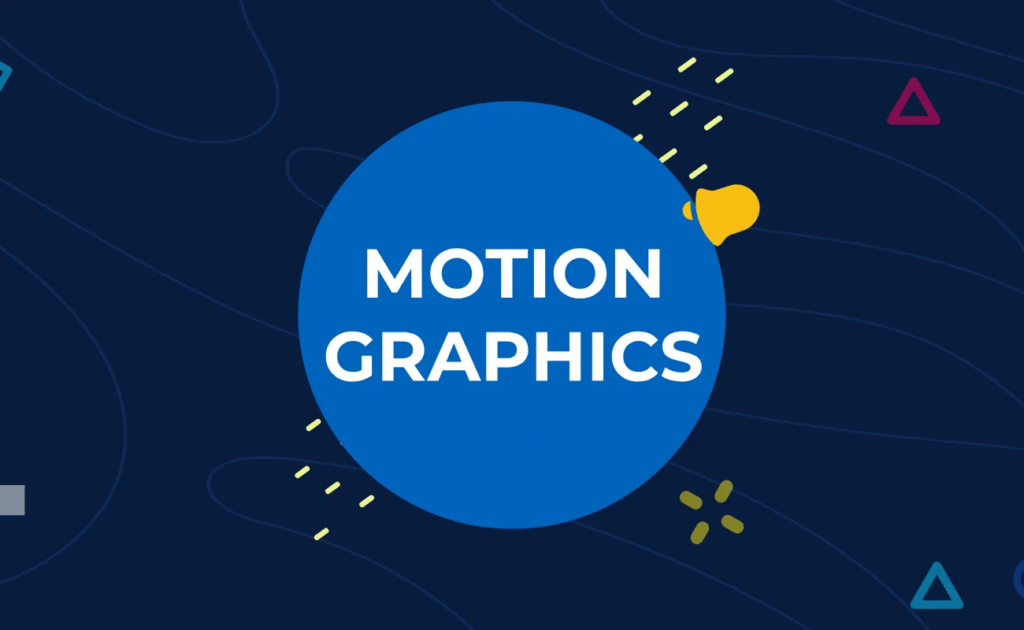
Motion graphics is a dynamic aspect of graphic design involving the creation of animated visual content. It blends graphic design elements with animation techniques to convey information, tell stories, or enhance digital media. Through movement, timing, and visual effects, motion graphics engage audiences effectively, creating captivating animations for purposes like advertising and entertainment. This form of visual communication aims to deliver messages in a visually compelling and dynamic manner, making it versatile and impactful.
6. User Interface (UI) Design:
User Interface (UI) Design is a specialized field of graphic design focused on creating visually appealing and user-friendly digital interfaces. It involves strategically arranging elements like buttons and icons to enhance the overall user experience. UI designers collaborate with UX designers to ensure both aesthetics and seamless interaction, aiming for an intuitive and visually cohesive interface that emphasizes usability and accessibility. UI design plays a crucial role in shaping positive and efficient user journeys for websites, apps, and software.

7. Illustration and Infographics:
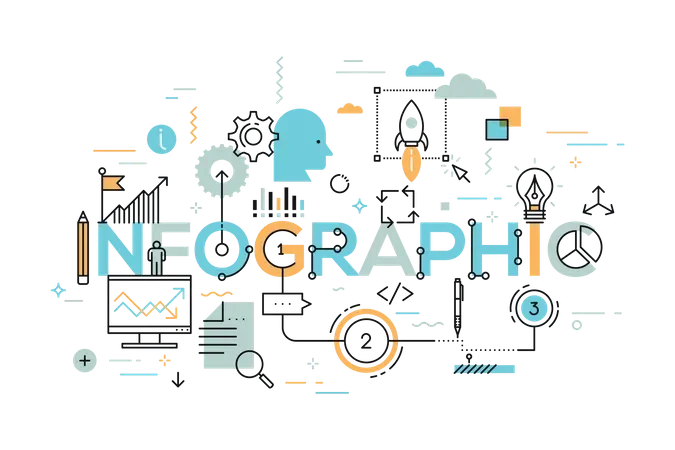
Illustration and infographics are creative facets of graphics design that use visuals for storytelling. Illustration involves expressive artwork, enhancing various media, while infographics use charts and icons to convey information clearly and engagingly. Both forms simplify concepts, captivate audiences, and contribute to effective visual communication.
8. Environmental Graphic Design:
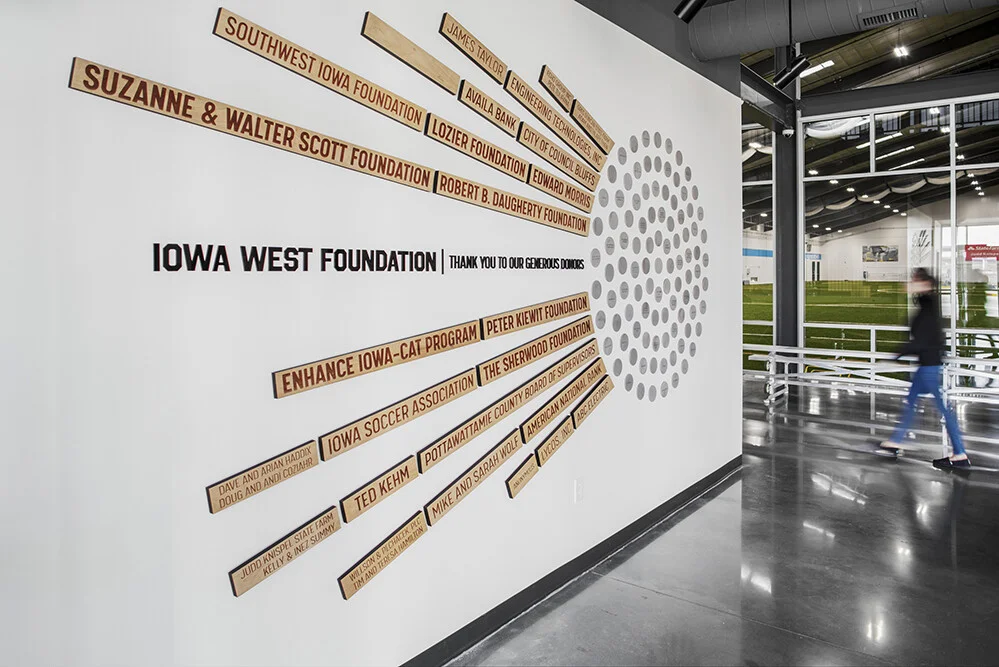
Environmental Graphic Design (EGD) is a niche in graphic design that focuses on creating immersive experiences in physical spaces. It integrates graphics, signage, and architectural features strategically to communicate information and enhance user experience. EGD is applied in various settings, aiming to guide navigation, reinforce brand identity, and create memorable spatial interactions. This field goes beyond traditional graphic design, seamlessly blending visual communication with the built environment
9. Typography Design:
Typography design, a subset of graphic design, focuses on arranging type for visual appeal and readability. It involves font selection, spacing adjustments, and text organization to convey messages effectively. Skilled typography designers consider factors like font choice and layout to evoke specific emotions and enhance the overall aesthetic of various visual compositions. Typography is a critical element in graphic design, influencing the tone, mood, and hierarchy of information in materials such as posters, websites, and branding collateral.