Discover 10 actionable SEO tips to enhance your online presence and climb the search rankings. Elevate your digital visibility with strategic insights.

- Keyword Research:
- Quality Content:
- Optimize Meta Tags:
- Mobile Optimization:
- Page Speed Optimization:
- Quality Backlinks:
- User Experience (UX):
- Social Media Integration:
- Regular Updates:
- Analytics and Monitoring:
1. Keyword Research:
Keyword research is a foundational aspect of SEO, involving the identification and selection of relevant terms and phrases that users commonly search for. By understanding the language and queries of your target audience, you can optimize your website’s content to align with their search intent.
Utilizing keyword research tools, such as Google Keyword Planner, helps uncover valuable insights into search volume, competition, and variations of keywords. Strategic implementation of these keywords in your content, meta tags, and other on-page elements enhances your website’s visibility on search engine results pages, ultimately driving organic traffic and improving your site’s overall SEO performance.

2. Quality Content:
Creating quality content is fundamental to effective online communication, focusing on delivering valuable, relevant, and engaging information. Beyond satisfying user intent, it plays a pivotal role in optimizing your website for search engine results.
Expertly crafted content, incorporating targeted keywords and addressing user queries, not only establishes authority but also builds user trust. In the context of SEO, high-quality content serves as a potent tool for attracting and retaining audiences, driving organic traffic, and ultimately contributing to the success of your digital presence.

3. Optimize Meta Tags:
Strategic optimization of meta tags is an essential SEO practice that involves crafting title tags and meta descriptions thoughtfully. These HTML elements serve as concise summaries of webpage content for both search engines and users. It’s crucial to seamlessly integrate relevant keywords into title tags and meta descriptions, ensuring they accurately represent the page’s content.
Well-optimized meta tags contribute to improved click-through rates, heightened visibility in search results, and enhanced user comprehension of your page’s relevance. This overall enhancement positively impacts your website’s search engine performance.

4. Mobile Optimization:
Mobile optimization is a crucial component of effective SEO, concentrating on ensuring an optimal user experience for websites on diverse mobile devices. This entails the design and development of responsive websites, allowing layouts to adapt seamlessly to varying screen sizes.
Beyond catering to the increasing number of users accessing the internet through smartphones and tablets, mobile-friendly websites receive favorable treatment from search engines.
Google, for example, regards mobile-friendliness as a ranking factor. By prioritizing mobile optimization, improvements in page loading speed, reduction in bounce rates, and heightened user satisfaction contribute to enhanced search engine rankings and increased visibility in mobile search results.

5. Page Speed Optimization:
Page speed optimization is a crucial element of SEO, focusing on improving the loading speed and overall performance of web pages. This involves employing various techniques, including image optimization, browser caching, and code minimization, to ensure swift loading times.
Beyond enhancing the user experience, improved page speed is a significant factor in search engine rankings. Leading search engines, such as Google, prioritize fast-loading websites due to their positive impact on user experience. Prioritizing page speed optimization is vital for reducing bounce rates, maintaining visitor engagement, and ultimately elevating your website’s visibility and ranking on search engine results pages.
6. Quality Backlinks:
Quality backlinks play a pivotal role in effective SEO, indicating the endorsement of reputable external websites linking to your content. These links act as valuable signals to search engines, affirming the credibility and trustworthiness of your content.
Building high-quality backlinks requires a strategic approach, with a focus on acquiring links from authoritative and relevant websites within your industry. It’s crucial to avoid low-quality or spammy backlinks, as search engines may penalize websites with questionable link profiles.
Quality backlinks contribute significantly to improved search engine rankings, heightened organic traffic, and enhanced credibility within your niche, making them a fundamental element of a successful SEO strategy.
7. User Experience (UX):
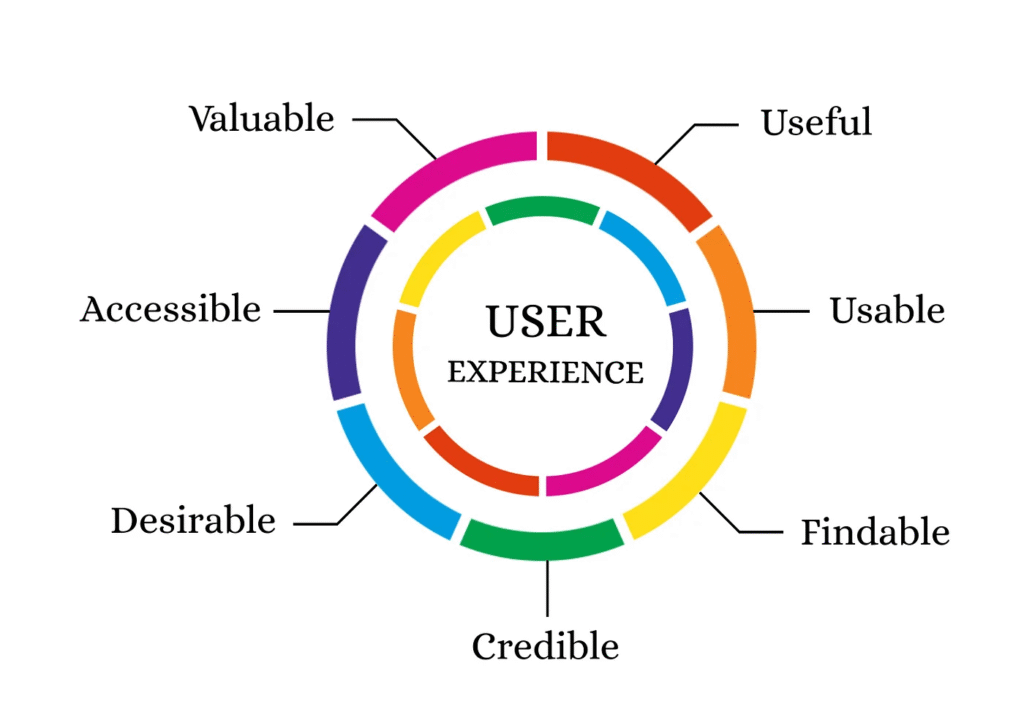
User experience (UX) is a fundamental principle in design and development, encompassing the holistic interaction and satisfaction users derive from a digital product or service. This approach involves a comprehensive understanding of user behaviors, preferences, and needs to create interfaces that are not only visually appealing but also intuitive, efficient, and enjoyable to use.
A positive UX is achieved through meticulous design, clear navigation, and seamless interactions. In the context of SEO, search engines increasingly prioritize user experience as a ranking factor, underscoring the significance of providing visitors with a satisfying and relevant online experience.
Key UX considerations encompass accessibility, responsiveness, and the overall ease with which users can accomplish their goals, fostering engagement and loyalty.
8. Social Media Integration:
Social media integration is a strategic element of an online presence, encompassing the seamless incorporation of social media platforms into a digital strategy.
This goes beyond content sharing, involving the creation of a unified online presence that capitalizes on the strengths of various social media channels. By including social sharing buttons, embedding feeds, and encouraging user interaction, businesses can broaden their reach, drive traffic to their websites, and cultivate a sense of community.
Social media signals, including likes, shares, and comments, have a positive impact on search engine rankings. In the realm of SEO, effective social media integration contributes to heightened visibility, increased brand awareness, and overall online engagement.

9. Regular Updates:
Frequent updates stand as a crucial element of a robust online presence, underscoring the significance of consistently refreshing and improving digital content. This practice involves the regular addition of new information, features, or enhancements to websites, blogs, or other digital platforms.
Search engines highly value updated and relevant content, leading to improved rankings in search results for regularly updated websites. Beyond SEO advantages, regular updates play a pivotal role in keeping visitors engaged, encouraging repeat visits, and establishing a dynamic and credible online presence.
Whether through the addition of blog posts, updating product information, or incorporating the latest industry trends, a commitment to regular updates contributes significantly to sustained visibility and user interest.

10. Analytics and Monitoring:
Analytics and monitoring are fundamental elements of a robust digital strategy, highlighting the ongoing analysis of website data to garner insights into user behavior and performance. This practice involves utilizing tools such as Google Analytics to track metrics like website traffic, user demographics, and engagement patterns.
Through the interpretation of these analytics, businesses can make informed decisions to optimize their online presence. Monitoring performance metrics facilitates the identification of successful strategies and areas for improvement.
In the context of SEO, analytics offer valuable information about the effectiveness of keywords, content, and user experience, aiding in refining strategies to enhance search engine rankings and overall digital success. Regular monitoring ensures adaptability and continuous improvement in the ever-evolving online landscape.