Introduction:
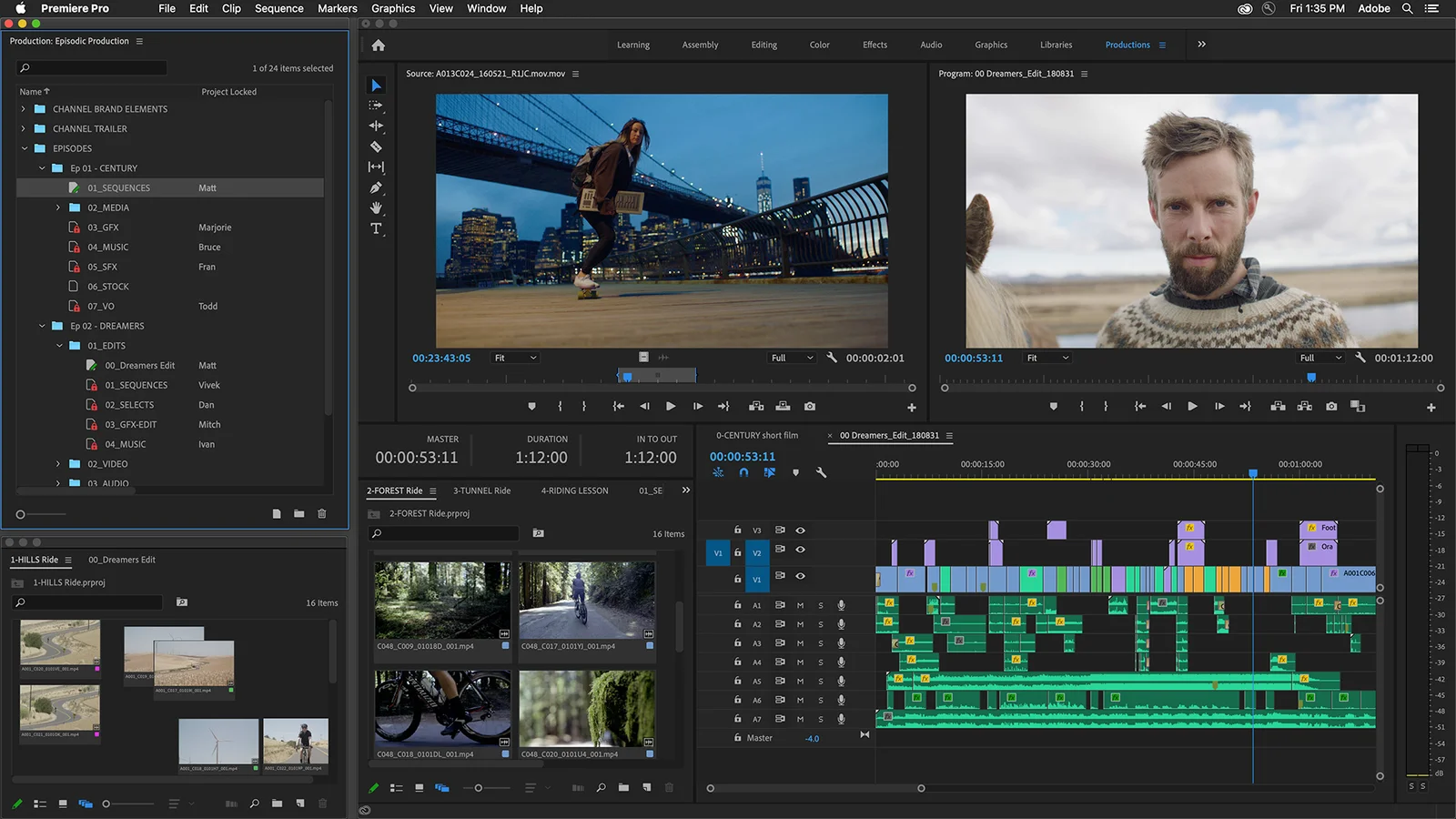
In the fast-paced realm of digital content creation, video editing stands as a pivotal and transformative process, converting raw footage into captivating narratives. Whether crafting a short film, vlog, documentary, or marketing video, the allure of video editing lies in its capacity to enhance storytelling, evoke emotions, and captivate audiences. In this blog, we will explore the captivating world of video editing, delving into its historical evolution, essential techniques, and the tools that empower creators to breathe life into their visions.
Evolution of Video Editing: From Film Reels to Digital Prowess
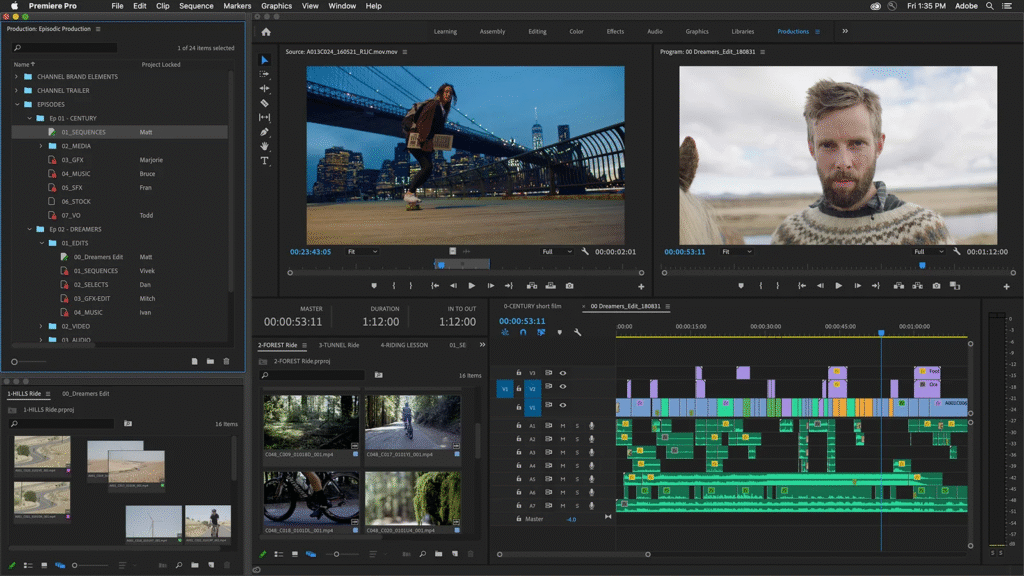
The landscape of video editing has undergone a profound transformation, transitioning from the era of splicing film reels to the digital age. Digital technology has revolutionized the process, making it more accessible to aspiring filmmakers and content creators. Traditional linear methods have given way to non-linear editing systems (NLEs), providing editors with unprecedented flexibility in manipulating digital content.
The Art of Storytelling through Editing: Crafting Compelling Narratives
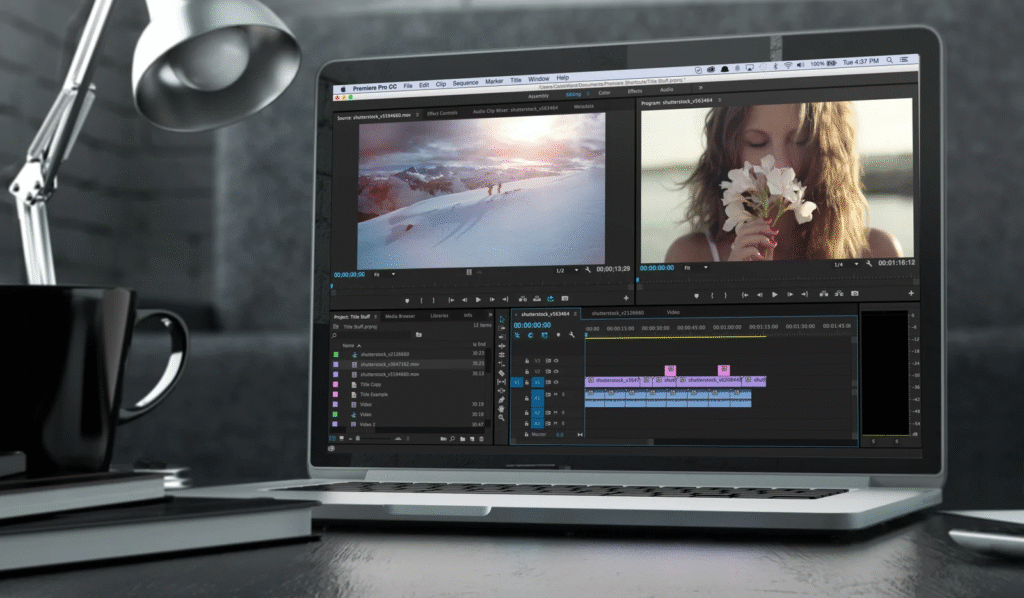
Video editing transcends the mere arrangement of clips; it involves the intricate art of weaving a story that captivates the audience. Editors play a pivotal role in managing pacing, rhythm, and sequencing, ensuring the visual narrative unfolds seamlessly. Techniques such as continuity editing, jump cuts, and match cuts are employed to maintain a cohesive and engaging story flow.
Tools of the Trade: Navigating Editing Software
The democratization of video editing owes much to powerful editing software, placing sophisticated tools in the hands of creators. Platforms such as Adobe Premiere Pro, Final Cut Pro, and DaVinci Resolve offer a plethora of features, ranging from basic cutting and trimming to advanced color grading and special effects. Acquiring a profound understanding of these tools empowers editors to materialize their creative visions effectively.
Enhancing Visual Appeal: The Role of Color Grading and Effects
Video editing involves a subtle yet powerful aspect: color grading. This technique sets the mood and tone of a video, with editors manipulating color, contrast, and saturation to evoke specific emotions or establish a cohesive visual style. Additionally, the inclusion of effects, such as transitions, overlays, and animations, adds flair and professionalism to the final product.
Sound Design: Elevating the Viewer’s Experience
Often underestimated, sound design constitutes a critical component of video editing. The right soundtrack, sound effects, and meticulous audio editing significantly contribute to the emotional impact of a video. Syncing audio with visual elements and eliminating unwanted noise are skills that distinguish good editors from exceptional ones.
Collaboration in the Digital Age: Working with Teams and Clients
Collaboration is intrinsic to video editing, particularly in filmmaking and content creation. Cloud-based collaboration tools facilitate multiple editors, directors, and stakeholders working on a project simultaneously, streamlining workflows and enabling seamless feedback. Effective communication and adaptability to diverse visions are essential skills for video editors working within a collaborative framework.
Conclusion:
Video editing emerges as a dynamic and evolving craft, empowering creators to metamorphose raw footage into compelling stories. From the evolution of editing techniques to the sophisticated tools available today, the journey of video editing intertwines technical proficiency with creativity and storytelling. Aspiring editors and seasoned professionals alike continue to explore and push the boundaries of this art form, ensuring each video becomes not just a sequence of images but a masterpiece resonating with audiences globally.