Embarking on the journey to become a web developer is an exhilarating exploration of creativity and problem-solving. In the realm of coding, HTML, CSS, and JavaScript stand as foundational tools for crafting visually compelling and interactive websites. Beyond the fundamentals, mastering responsive design ensures seamless adaptability across diverse devices.

1. Learn the Basics:
Acquiring a strong foundation in web development commences with grasping the fundamentals. Begin your journey by acquainting yourself with HTML, the language that structures web pages. HTML tags define various elements like headings, paragraphs, and images, shaping the content’s structure.
Proceed to Cascading Style Sheets (CSS), a vital tool for styling and formatting HTML content. CSS governs layout, colors, fonts, and the overall visual presentation of your web pages.

The third essential component is JavaScript—a scripting language that introduces interactivity to websites. Learn to employ JavaScript for tasks such as handling user input, manipulating the Document Object Model (DOM), and creating dynamic content.
Mastery of these core languages—HTML for structure, CSS for styling, and JavaScript for interactivity—establishes a robust groundwork. This knowledge empowers you to construct engaging and responsive web pages, laying the groundwork for your exploration of more advanced web development skills.
2. Master Responsive Design :
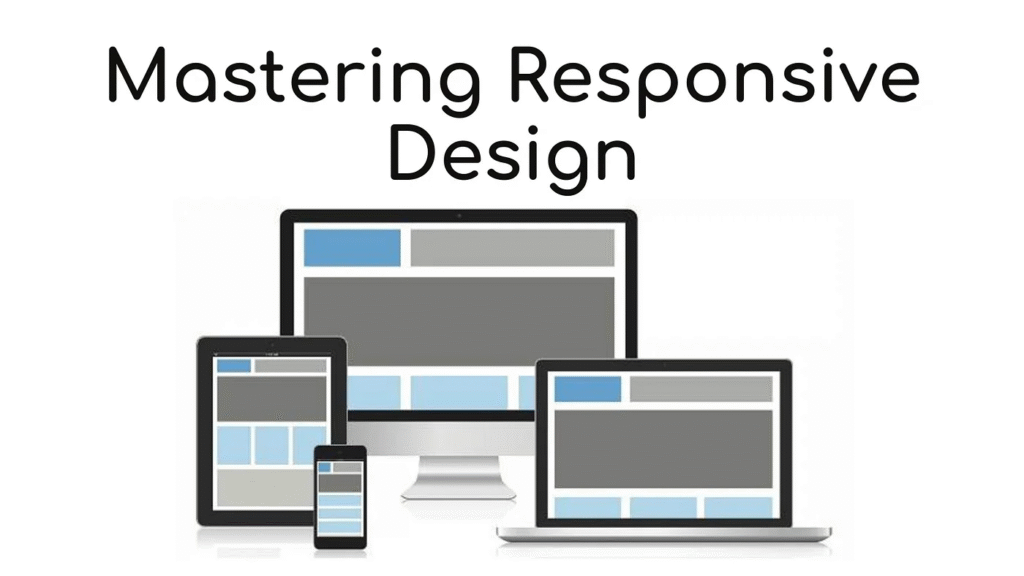
Achieving proficiency in responsive design stands as a crucial skill for web developers. Responsive design ensures that websites seamlessly adjust to diverse devices and screen sizes, delivering an optimal user experience.
Commence your journey by grasping the principles of responsive design, encompassing fluid grids, flexible images, and media queries. Acquire the ability to craft layouts that dynamically adapt and reorganize content based on the characteristics of the device.
Explore frameworks like Bootstrap or Flexbox, which provide pre-built components and responsive grid systems, streamlining the development process and maintaining consistency across devices.
Testing is paramount in responsive design. Utilize browser developer tools to preview how your site appears on different devices and resolutions. Real device testing further ensures the correct functionality of your design on actual smartphones and tablets.
By mastering responsive design, you elevate the accessibility and usability of your websites, addressing the varied devices users employ. This skill is essential for delivering a positive user experience and remaining relevant in the ever-evolving landscape of web development.
3. Understand Browser Developer Tools:
Grasping Browser Developer Tools is a foundational skill for web developers. These tools, seamlessly integrated into web browsers, offer a comprehensive set of functionalities crucial for debugging, optimizing, and refining web pages. Start by acquainting yourself with basic features, such as inspecting HTML and CSS elements.
Utilize the Elements panel to navigate the Document Object Model (DOM) and make real-time style modifications, facilitating the identification and resolution of issues related to page structure and styling. The Console panel proves invaluable for JavaScript debugging.
Employ it to log messages, capture errors, and interact dynamically with your scripts, enabling effective issue identification and resolution. Network and Performance panels are instrumental in analyzing page loading times and resource utilization. By monitoring network requests and evaluating performance metrics, you can optimize your website for speed and efficiency.
The Application panel is vital for managing web storage, handling cookies, and ensuring the proper functioning of service workers—an essential aspect for building robust and responsive web applications.
Mastering Browser Developer Tools equips you to diagnose and enhance your web projects efficiently. These tools are indispensable for creating high-quality, well-optimized, and visually appealing websites.
4. Explore Front-End Frameworks :
Delving into front-end frameworks marks a significant advancement for web developers aiming to streamline and elevate their projects. Frontend frameworks, comprising pre-built and reusable components, serve as invaluable tools for crafting consistent, responsive, and visually appealing user interfaces.
Commence your exploration by acquainting yourself with well-established front-end frameworks like React, Angular, or Vue.js. Each framework possesses unique features, strengths, and applications, necessitating a comprehensive exploration to understand their individual merits.
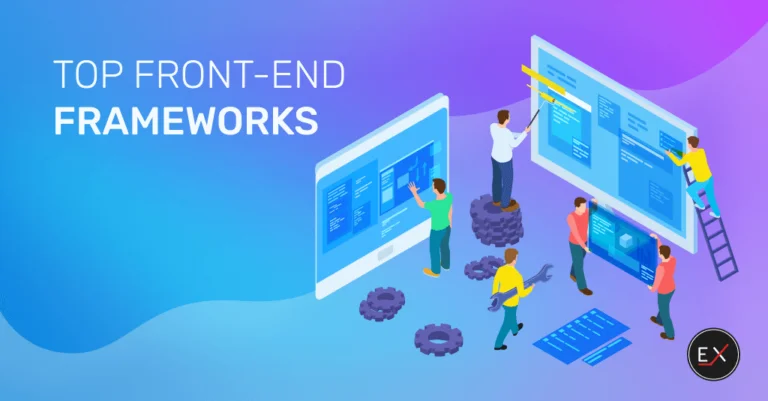
Central to many front-end frameworks is the concept of component-based architecture. Components, modular building blocks, encapsulate specific functionalities and foster reusability across different sections of your application. This approach not only enhances maintainability but also facilitates scalability.
Thoroughly delve into the documentation of the chosen framework to grasp its fundamental concepts, syntax, and recommended practices. This foundational knowledge is instrumental in harnessing the framework’s capabilities and crafting code that is efficient and well-structured. To solidify your understanding, engage in hands-on experience by building small projects or components using the chosen framework. Practical application is paramount for gaining proficiency and confidence in effectively utilizing front-end frameworks. By integrating front-end frameworks into your skill set, you not only enhance the efficacy of your development process but also align with industry standards and trends. The outcome is the creation of more resilient, user-friendly web applications.
5. Dive into Back-End Development:
Venturing into back-end development is a pivotal step for web developers aiming to create dynamic and robust web applications. Unlike front-end development, which focuses on the user interface and client-side interactions, back-end development involves server-side logic, databases, and ensuring seamless communication between the server and client.
Commence your exploration by selecting a back-end programming language such as Node.js, Python, Ruby, or PHP. Each language has its strengths and use cases, so choose one that aligns with your project requirements and preferences.
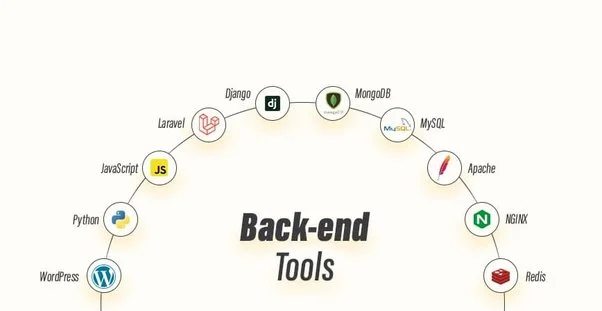
Understand the principles of server-side programming, including handling HTTP requests, managing databases, and implementing server-side logic. Familiarize yourself with server frameworks like Express (Node.js), Django (Python), or Ruby on Rails (Ruby) to expedite development and adhere to best practices.
Learn to interact with databases, as they are crucial for storing and retrieving data in web applications. Common databases include MySQL, PostgreSQL, and MongoDB, each serving specific needs.
Explore server-side frameworks that facilitate the creation of APIs (Application Programming Interfaces), enabling communication between the front-end and back-end components of your application.
Hands-on experience is vital in mastering back-end development. Build small projects, implement server-side logic, and practice database interactions to reinforce your skills. By diving into back-end development, you gain the ability to create dynamic, data-driven applications, providing users with seamless and interactive experiences. This comprehensive skill set positions you to undertake end-to-end web development projects with confidence.
6. Get Comfortable with Version Control:
Becoming proficient with version control is a fundamental skill for web developers, providing a systematic way to manage code changes, collaborate with others, and track the evolution of projects over time. Git is a widely used version control system that allows developers to work seamlessly and efficiently. Here’s a step-by-step guide to getting comfortable with version control:
- Install Git: Start by installing Git on your machine. Git provides command-line tools as well as graphical user interfaces (like GitHub Desktop) for easier interaction.
- Create a Git Repository: Initialize a new Git repository for your project. This is the first step in enabling version control for your codebase.
- Understand Git Workflow: Learn the basic Git commands, such as git add to stage changes, git commit to save changes, and git push to upload changes to a remote repository. Understanding this workflow is crucial for effective version control.
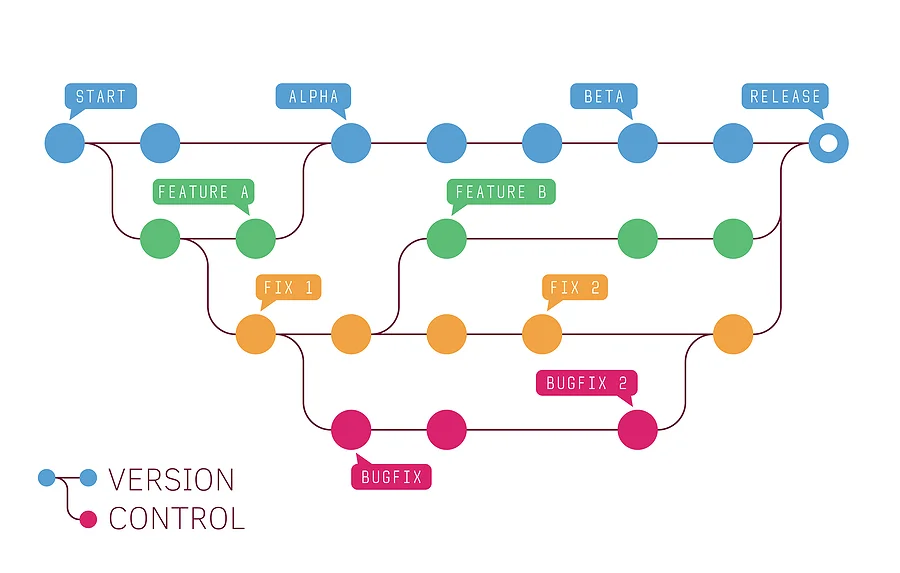
- Branching and Merging: Explore branching and merging strategies. Branches allow you to work on different features or fixes concurrently, and merging brings these changes back into the main codebase.
- Collaborate on GitHub (or GitLab, Bitbucket, etc.): Familiarize yourself with online Git repository hosting platforms like GitHub. Learn how to clone repositories, push changes, and create pull requests to collaborate with others.
- Resolve Merge Conflicts: As you collaborate with multiple contributors, conflicts may arise when merging changes. Learn how to resolve these conflicts to ensure a smooth integration of code changes.
- Explore Git Tags and Releases: Tags and releases in Git are essential for marking specific points in your project’s history, such as version releases. Understand how to create tags and manage releases.
- Utilize Git GUIs: While the command line is powerful, consider using Git graphical user interfaces (GUIs) for a more visual representation of changes and branches. This can be especially helpful for those who prefer a visual approach.
- Backup Your Work Regularly: One of the advantages of version control is its ability to act as a backup. Regularly commit and push your changes to ensure that your work is safely stored in the repository.
- Learn Advanced Git Topics: Explore advanced Git topics like rebasing, interactive rebase, and Git hooks to deepen your understanding and enhance your workflow.
7. Practice Regularly with Projects:
- Commence with Small Projects: Initiate your practice with manageable, small-scale projects aligned with your learning objectives. This could involve creating a personal website, developing a to-do list app, or crafting a simple portfolio.
- Establish Clear Goals: Define explicit goals for each project, outlining the specific outcomes you aim to achieve. Whether mastering a particular technology, implementing specific features, or enhancing design skills, clarity in your objectives is paramount.
- Welcome Challenges: Embrace challenges as opportunities for growth. Tackling complex problems and incorporating new technologies into your projects fosters skill development and broadens your expertise.
- Construct a Showcase Portfolio: Utilize your projects to build a compelling portfolio that highlights your capabilities. A well-curated portfolio serves as a tangible representation of your skills, crucial when pursuing job opportunities or freelance work.
- Contribute to Open Source Projects: Engage in collaborative development by contributing to open source projects on platforms like GitHub. This exposure provides insights into best practices and allows you to work on projects with real-world impact.
- Experiment with Technologies: Seize the opportunity to experiment with various technologies, frameworks, and libraries within your projects. This diversifies your skill set and ensures adaptability in the dynamic tech landscape.
- Implement Responsive Design: Practice integrating responsive designs into your projects. Ensuring seamless functionality across diverse devices enhances your proficiency in responsive web development.
- Iterate and Refactor: After project completion, revisit and iterate. Refactoring your code enhances its efficiency, readability, and alignment with best practices. This iterative process contributes to ongoing improvement.
- Seek Constructive Feedback: Share your projects with peers, mentors, or online communities to receive constructive feedback. Valuable insights from others identify areas for improvement and offer fresh perspectives.
- Document Your Process: Document the project’s process, including challenges faced and solutions implemented. This documentation serves as a comprehensive reference for your learning journey and future projects.
8. Stay Updated on Industry Trends:

- Follow Credible Sources: Regularly peruse reputable websites, blogs, and news outlets dedicated to technology and web development. Notable platforms like TechCrunch, Smashing Magazine, and A List Apart deliver valuable insights and updates.
- Subscribe to Newsletters: Stay connected by subscribing to newsletters from industry experts and organizations. These newsletters often curate content, keeping you informed about the latest technologies, tools, and best practices.
- Engage in Online Communities: Participate in online communities and forums related to web development, such as Stack Overflow, Reddit’s webdev community, and Dev.to. These platforms foster discussions and keep you updated on current trends.
- Attend Virtual Events: Take advantage of webinars, virtual conferences, and local meetups. These events provide opportunities to learn from experts, discover emerging trends, and network with peers.
- Follow Tech Influencers on Social Media: Stay connected with influential developers, tech companies, and thought leaders on platforms like Twitter and LinkedIn. Social media serves as a real-time source for information and discussions within the tech community.
- Explore Podcasts and YouTube Channels: Listen to podcasts and watch YouTube channels dedicated to web development. These platforms often feature interviews, discussions, and tutorials on the latest technologies and industry trends.
- Enroll in Educational Platforms: Enroll in online courses on platforms like Coursera, Udemy, and LinkedIn Learning. These courses cover the latest technologies and trends, aligning with your interests and career goals.
- Read Documentation and Release Notes: Regularly review documentation and release notes for popular frameworks, libraries, and tools. Developers frequently document new features, improvements, and best practices in these resources.
- Experiment with Beta Versions: Explore beta versions of tools and frameworks to stay ahead of upcoming releases. Hands-on experience with beta versions allows you to anticipate changes and adapt your skills accordingly.
- Contribute to Open Source Projects: Actively contribute to open source projects to enhance your coding skills and stay connected to ongoing industry developments. It exposes you to collaborative coding practices and emerging technologies.
9. Networking and Collaboration:

- Attend Local and Virtual Events: Actively participate in local meetups, conferences, and industry events. These gatherings offer valuable chances to connect with fellow developers, share experiences, and stay abreast of industry trends.
- Engage in Online Communities: Join web development forums, discussion groups, and social media communities. Platforms like Stack Overflow, GitHub, and LinkedIn provide spaces for networking and knowledge exchange.
- Contribute to Open Source Projects: Collaborate on open source projects hosted on platforms like GitHub. Working with other developers not only broadens your network but also allows you to contribute to impactful projects.
- Optimize Your LinkedIn Profile: Create a professional LinkedIn profile showcasing your skills, projects, and experiences. Connect with colleagues, industry professionals, and potential employers to expand your professional network.
- Participate in Coding Challenges and Hackathons: Engage in coding challenges and hackathons, either locally or online. These events foster collaboration, problem-solving, and exposure to diverse coding perspectives.
- Utilize Professional Networking Platforms: Explore platforms dedicated to professional networking, such as LinkedIn and AngelList. Connecting with professionals in your field, sharing insights, and staying informed about job opportunities are essential aspects.
- Build a Personal Brand: Develop a personal brand by sharing your insights and experiences on platforms like a personal blog, Medium, or social media. This positions you as an authority in your field and attracts like-minded professionals.
- Attend Workshops and Training Programs: Enroll in workshops and training programs to enhance your skills. These events often provide opportunities to collaborate with instructors and fellow participants.
- Join Local Tech Groups: Connect with local tech or user groups in your area. These smaller, more intimate settings can foster meaningful relationships and collaborations with professionals in your local community.
- Offer and Seek Mentorship: Be open to both offering and seeking mentorship. Mentors can provide guidance, share experiences, and help navigate your career path. Similarly, mentoring others can be a rewarding way to contribute to the community.
- Participate in Virtual Events: In addition to physical meetups, engage in virtual events and webinars. Virtual platforms provide a global reach, allowing you to connect with professionals worldwide.
10. Continuous Learning:
- Cultivate Curiosity and Open-Mindedness: Foster a curious mindset, staying open to exploring new technologies, methodologies, and approaches in web development.
- Define Learning Goals: Set clear learning goals to guide your journey. Identify specific skills, languages, or frameworks you aim to master and create a strategic plan to achieve those objectives.
- Explore Emerging Technologies: Regularly investigate emerging technologies and trends in web development. This may involve learning about new programming languages, frameworks, or tools gaining popularity.
- Utilize Online Learning Platforms: Leverage online learning platforms like Coursera, Udacity, and Pluralsight, offering a diverse range of courses taught by industry experts.
- Read Books and Documentation: Immerse yourself in books and official documentation related to web development. Books provide in-depth knowledge, while documentation is essential for understanding tools and frameworks.
- Follow Blogs and Tech News Outlets: Subscribe to blogs, tech news websites, and newsletters covering web development topics to stay informed about industry updates and the latest developments.
- Attend Webinars and Workshops: Actively participate in webinars, workshops, and online events. These sessions often provide insights from experts, real-world examples, and opportunities for interactive learning.
- Engage in Online Coding Communities: Join online coding communities such as GitHub, Stack Overflow, and Dev.to. Engaging in discussions, asking questions, and contributing to collaborative projects enriches your learning experience.
- Undertake Challenging Projects: Apply your learning by taking on challenging projects. Real-world projects offer practical experience and reinforce your understanding of new concepts.
- Network with Peers: Connect with fellow developers and professionals in the industry. Networking facilitates knowledge exchange, provides avenues for seeking advice, and enables learning from others’ experiences.
- Participate in Conferences: Attend conferences, either in-person or virtually, to gain insights from experts and enthusiasts, and stay updated on cutting-edge technologies and industry best practices.
- Establish a Personal Learning Routine: Develop a consistent learning routine, dedicating specific times during the week to focus on skill improvement and staying abreast of industry advancements.
- Reflect and Iterate: Regularly reflect on your learning journey, evaluating what works well and what could be improved. Adjust your learning strategies accordingly to enhance effectiveness.
We provide many type of courses which can increase your SKILL.